
Tornado
EF-2 and EF-3 tornadoes with 111 mph-165 mph winds can destroy a property in four seconds. The biggest initial risk to properties is flying debris, which can shatter windows and other openings and create holes in exterior walls. Once an opening is created, air rushes inside the structure and pressurizes it like inflating a balloon. The internal pressures build up and put pressure on ceilings and the roof, which is also getting uplift pressures from external wind forces. If the connections between the roof and walls are weak, these wind forces will drive the roof and walls to give way. Once the roof blows off the entire structure can collapse within seconds. Houses and businesses are not typically designed to withstand the impact of a severe tornado. However, options for improving structural performance do exist and can produce effective results, particularly when combined with the use of a safe room. Widespread use of effective strapping, which might increase the cost of a wood frame house by two percent, would create houses that are significantly more resistant to all kinds of severe wind events.
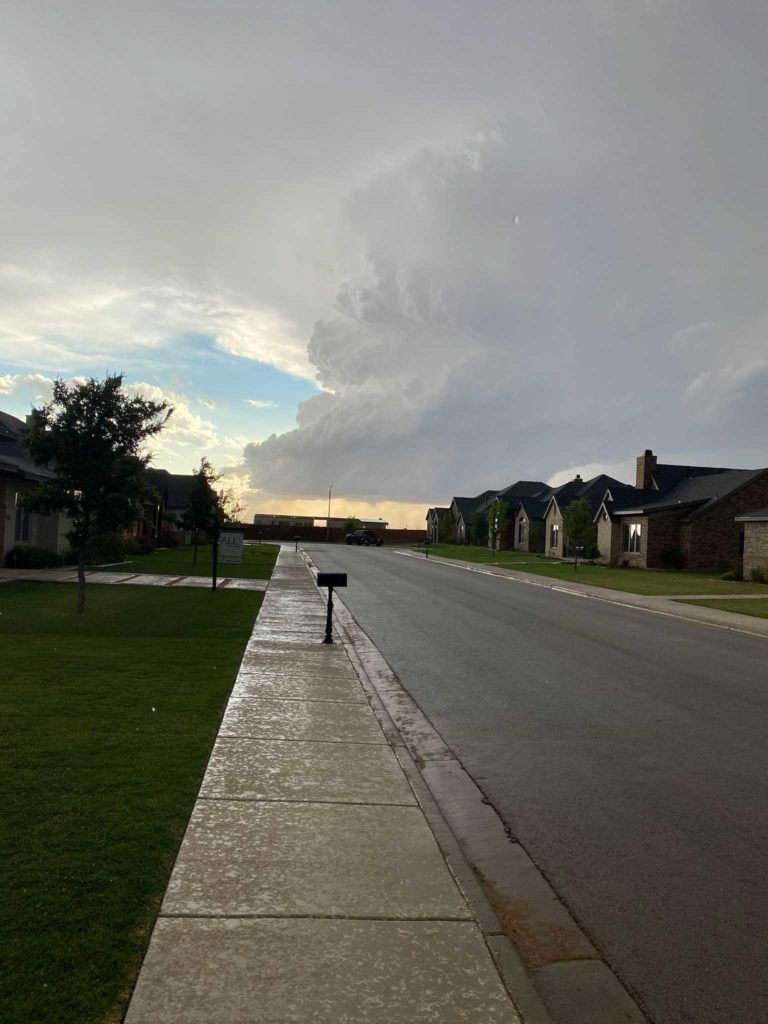
Deadly Texas Tornadoes
IBHS resources to help recover from Texas tornadoes outbreak and guidance for staying safe in tornadoes and hail storms.
Know the Difference – How to React During a Hailstorm and Tornado
Not all severe weather is alike. Why should your reactions be alike?
How to Spend Your Money Wisely to Improve Your Home
Simple ways to incorporate disaster resistance into home improvement, repairs or rebuilding projects.
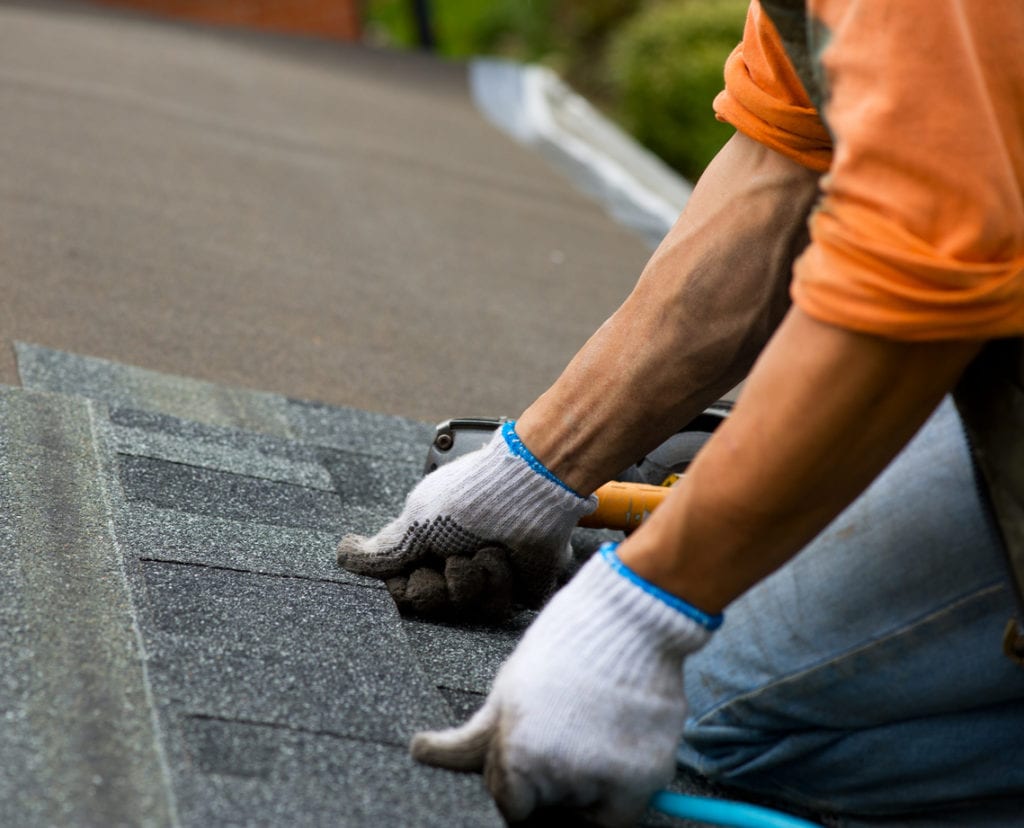
Roofs: Inspect, Repair and Maintain
Everything you need to know about creating a stronger, safer roof for your home or business.
How to Avoid Common Scams During Storm Recovery
What you should know to avoid being taken by fraudulent contractors.
Disaster Planning: There’s an App for That
The new Know Your Plan app gives you the mobile power and organization to help keep your family and your home safer during a disaster.