Printable viewHow to reduce risks from a wildfire
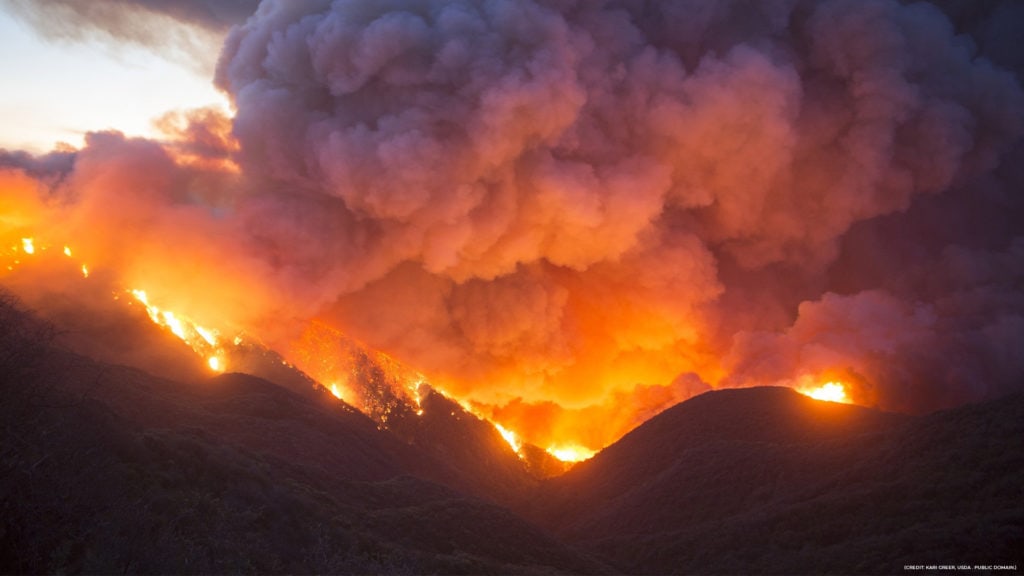
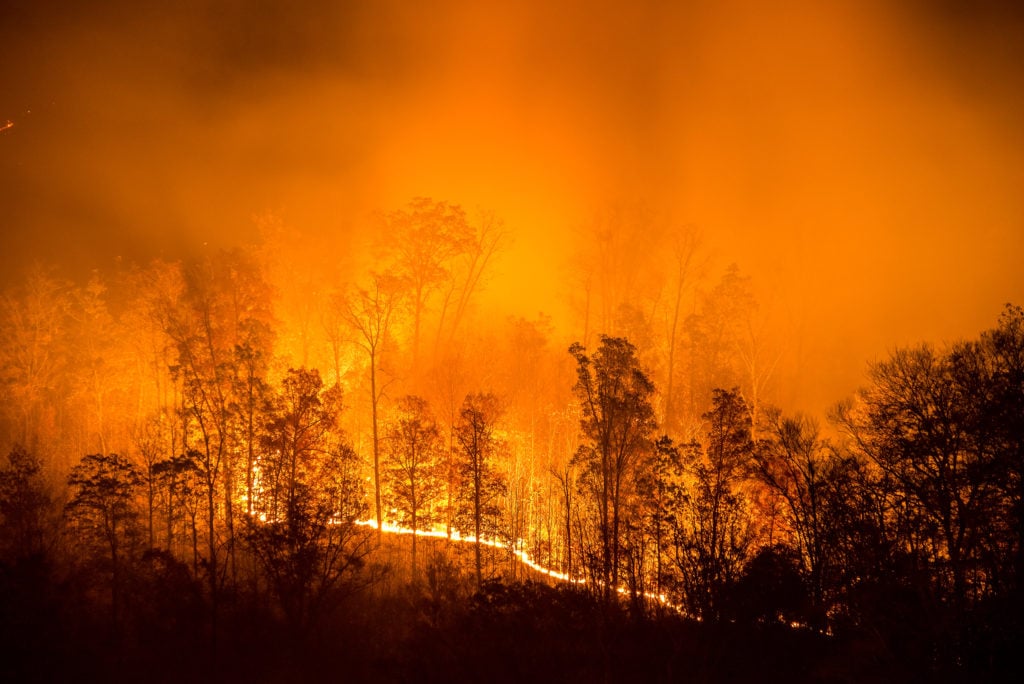
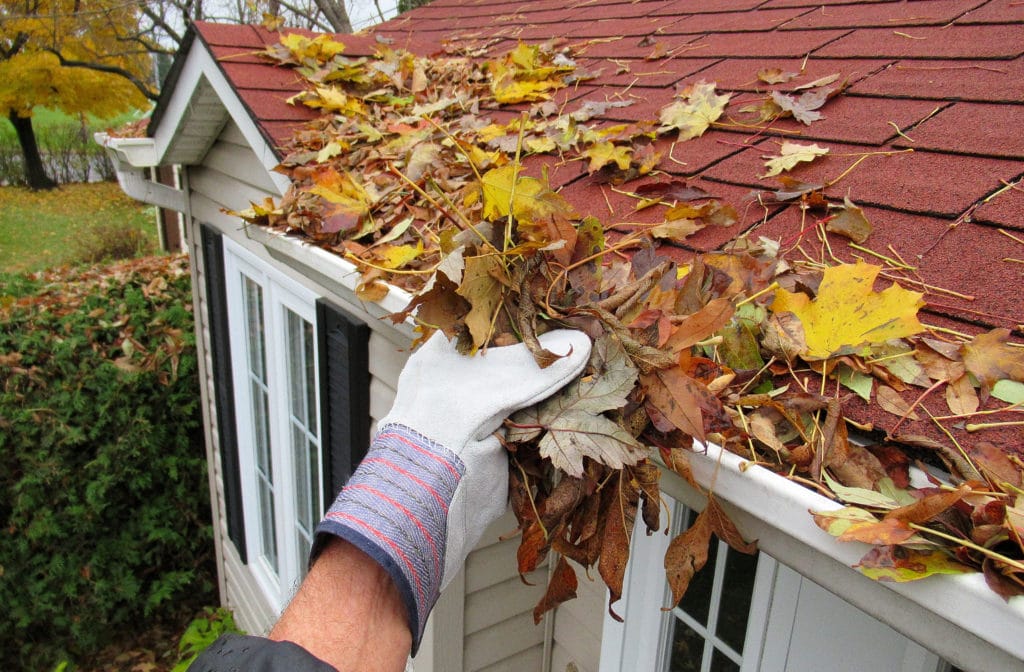
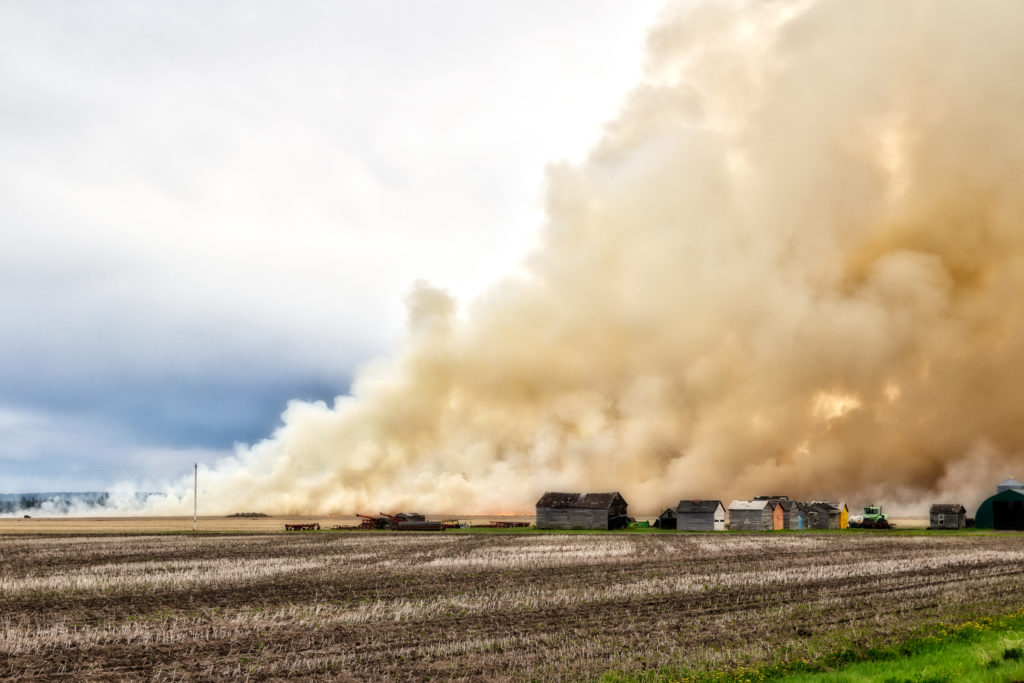
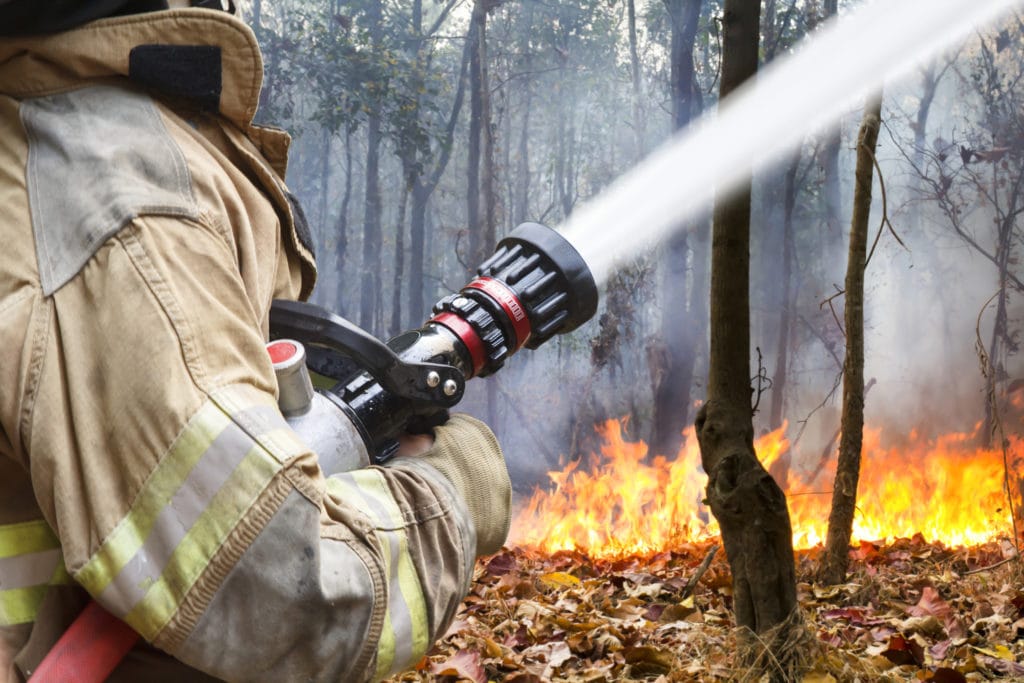
There are three threats or exposures that a building can experience during a wildfire. These include windborne embers (also known as firebrands), radiant heat, and direct flame contact. When considering the vulnerability of your home or business to wildfire, you need to evaluate and address all three potential exposures, and work to reduce vulnerability to each. Read more »
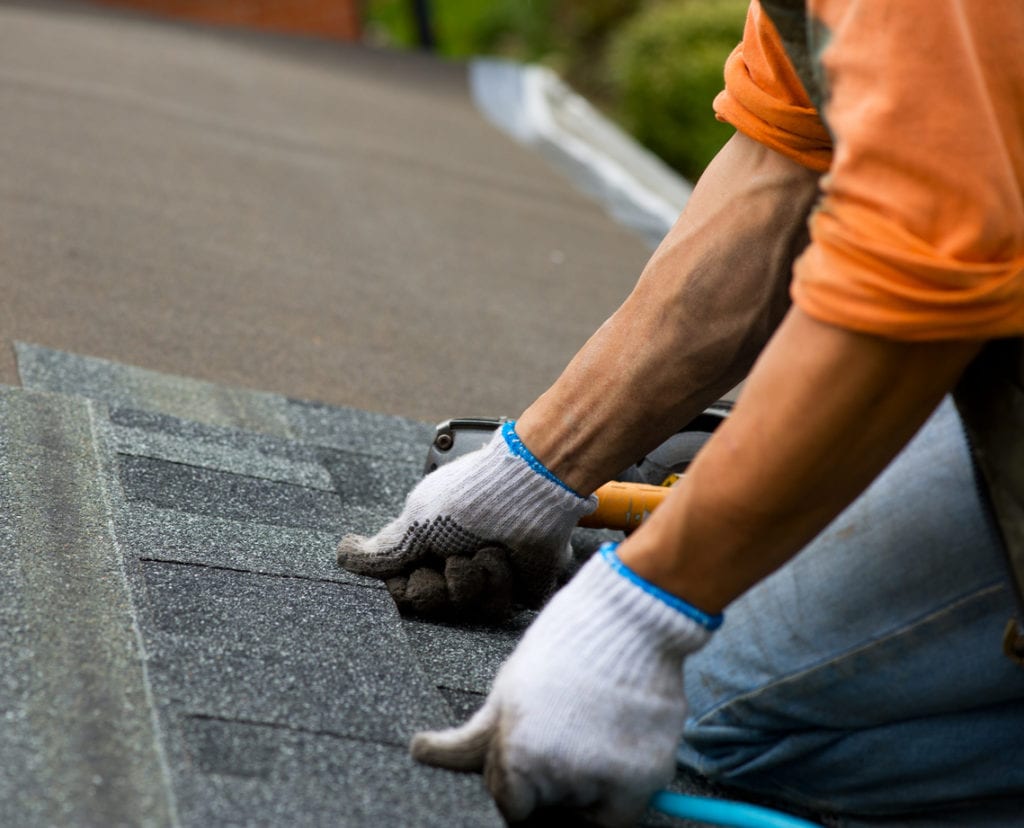
Roof Design
Step 1: Determine whether the roof design adds to its vulnerability
Identify Roof Vulnerabilities
Roof design and materials can increase or decrease a structure’s vulnerability to wildfire damage.
Step 1
Evaluate your risk
Understand and Reduce Roof Risks
Assess your wildfire risk and then determine if your existing roof provides enough protection.
Step 1
Identifying window type
Protect Windows and Doors
Solutions for preventing damage due to blowing embers and exposure to radiant heat and flames.
Step 1
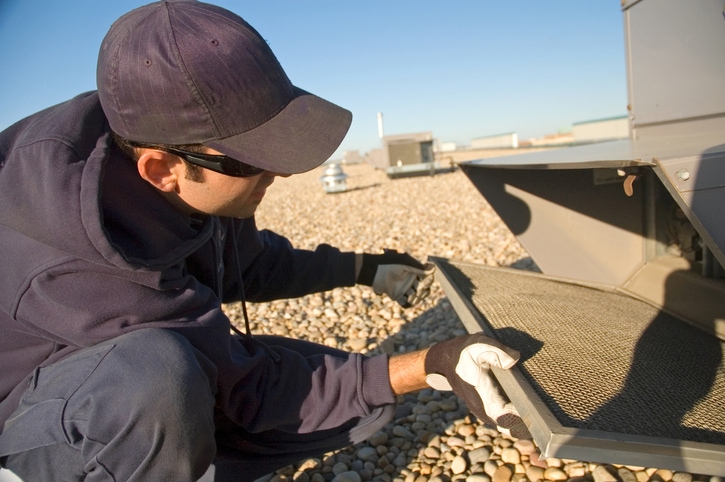
Are vents covered with 1/8-inch mesh metal screens?
Protect Vents
Solutions for evaluating risks and preventing entry of ember and flames.
Step 1: Evaluate the risk
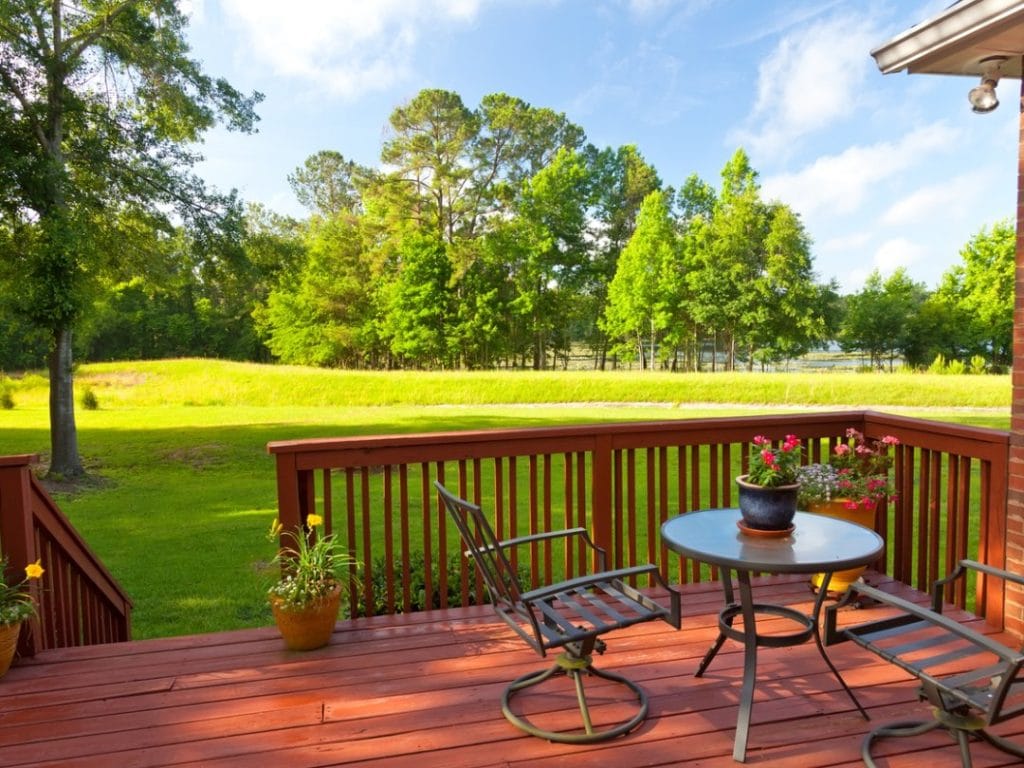
Consider the construction material, along with items on and beneath this area
Protect Decks, Patios, Porches
Solutions for reducing the risk of these areas catching fire.
Step 1
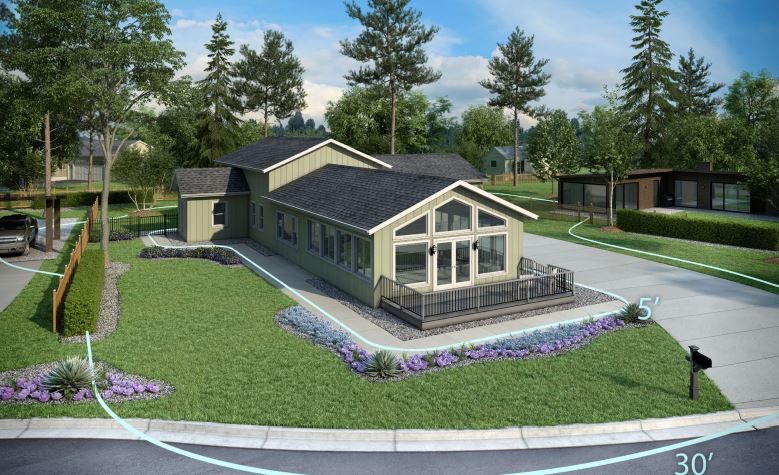
Identifying and understanding the function of defensible space zones
Create Defensible Space Zones
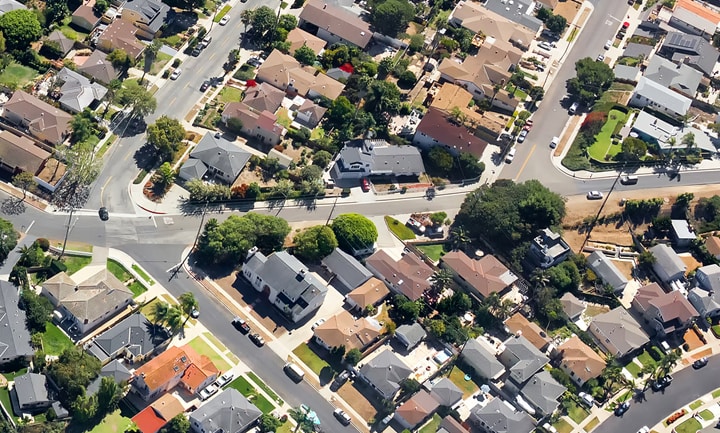
Identify, create and maintain three zones to keep wildfire from igniting vegetation and structures.
Additional Wildfire Resources
Other
Downloads
- Wildfire Fact Sheet »
- Wildfire Retrofit Guide - Checklist Only »
- Wildfire Retrofit Guide - Southwest »
- Wildfire Retrofit Guide - Southeast »
- Wildfire Retrofit Guide - Southern California »
- Wildfire Retrofit Guide - Rocky Mountain »
- Wildfire Retrofit Guide - Pacific Northwest »
- Wildfire Retrofit Guide - Mid-Atlantic/Northeast »
- Wildfire Retrofit Guide - Great Lakes »
- Wildfire Retrofit Guide - Florida »
- Wildfire Retrofit Guide - Central US »